7 Lessons From a Solo Rust Wipe That Ended in a 1v6 Raid Defense
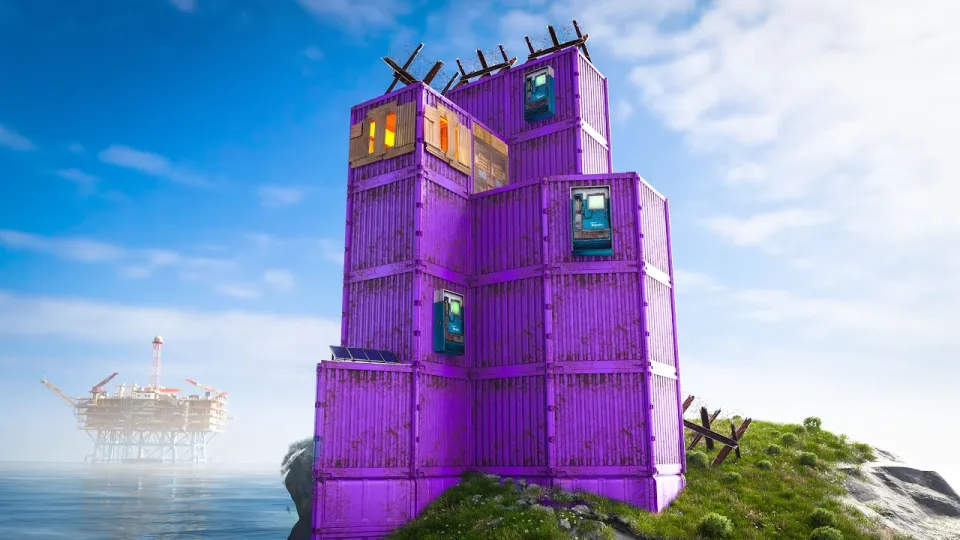
Video: A Solo's Will to Thrive V5 - Rust
Need articles like this for your video? They help promote it on YouTube and Google — order them in the Telegram bot @sat_sit_bot. It writes articles around your video, embeds the video and publishes them on popular niche websites (no ads). Free trial — 50 articles.
· based on the channel Oilrats
Key takeaways
- Oilrats' solo wipe video runs roughly two hours of condensed wipe-day footage, edited by purpluu and mammoth.
- The run opens with the familiar 2x1 starter base, then escalates to Large Oilrig loot and a solo-versus-clan fight.
- A six-player group with two M2s and a dedicated rocket PvPer tried to raid the solo base and still lost the defense.
- Rocket PvP during a solo raid is widely seen as the least respectable way to close a raid in Rust.
- The Oilrats mousepad drop is live at https://epicdesk.shop/products/oilrats.
A solo Rust wipe is won by pacing: get a cheap 2x1 down fast, convert early farm into Oilrig-tier loot, and build a base that survives the moment a clan decides you are worth raiding. The Oilrats solo wipe video shows exactly that arc — a starter box, a Large Oilrig run, and a defense against six players with two M2s and a dedicated rocket PvPer — and the gear from that run is available through the Oilrats mousepad drop.
What a solo Rust wipe actually looks like from first spawn to first raid
A solo wipe in Rust is a race against groups who can farm, craft and raid faster than one player, so the solo's only real advantage is decision speed. The opening is almost always the same: a small footprint base, a furnace or two, and a rush toward the first profitable monument. In this run the start is a 2x1 — the compact two-by-one footprint that solos use because it is cheap, hides well and can be upgraded into a bunker later.
The order of operations that makes a solo wipe work:
- Secure a sleeping bag and a small stash base within the first hour, before groups start roaming with guns.
- Farm the scrap needed for a workbench and blueprints instead of hoarding raw materials.
- Push a high-value monument as soon as you have a kit worth losing — Oilrig loot is the classic solo equalizer.
- Spend the first big profit on base security, not on a second kit.
- Keep every trip short; a solo who stays out too long is a solo who gets third-partied.
The 2x1 is not a meme. Its value is that it costs little, fits into gaps in the terrain, and can be honeycombed or turned into a bunker without a full rebuild. Neighbours noticing a "demon" next door, as the early-game reactions in the video suggest, is a compliment: it means the base reads as dangerous without being obviously rich.
Why Large Oilrig is the solo's best loot gamble
Large Oilrig is the single most valuable monument a solo can contest in Rust, because it hands out military-grade crates, components and sometimes tier-two weapons without requiring a group. The trade-off is that it is also the most predictable place to die: heavy scientists, other solos doing the same run, and clans checking the same crates.
The practical approach is to treat Oilrig as a timed heist rather than a fight. Arrive with a cheap kit you can lose, clear scientists from angles that keep escape routes open, and leave the moment your inventory is worth more than your gear. The video's Oilrig sequence — jumping off the rig and transitioning straight into swimming back to a boat — is the correct instinct: the water is the solo's escape hatch, and a boat parked out of sight is worth more than any extra crate.
Loot priority on a solo Oilrig run:
- Military crates and elite crates first, ordinary crates only if the run is already safe.
- Components that unlock a workbench tier before raw ore.
- Anything that upgrades your raid defense: doors, garage doors, turrets, traps.
How to defend a solo base against a six-man raid
A solo base defense is won before the raid starts, by making the attackers spend more than the raid is worth. Six players with two M2s and a rocket specialist is an enormous investment to point at one small base, and the video's defense works because the base forces that group into a slow, noisy, predictable push.
What makes the difference in a solo defense:
- Multiple layers. A 2x1 that has been honeycombed and turned into a bunker buys minutes, and minutes are the whole game.
- A second loot room. Never keep everything behind one door; split loot so a single breach is not a total loss.
- Peek windows and shooting floors. Defenders who can shoot without opening a door win trades against players stuck in a breach.
- Sound discipline. Every rocket and every door break tells you where the push is coming from — use it to reposition instead of guessing.
- Respawn pressure. Bags inside and near the base let you re-enter the fight faster than attackers can heal.
The rocket PvP angle matters here. Bringing a player whose job is to fire rockets at a defender is considered the least respectable way to finish a solo raid, and the reaction to this defense reflects that: the group brought overwhelming force and still lost the exchange. That is the actual lesson — numbers do not automatically convert into a breach when the defender controls the geometry.
The solo-versus-clan mindset that keeps a wipe alive
Playing solo against clans in Rust is mostly a psychological discipline: you will lose kits, you will get raided, and the wipe continues only if you treat each loss as a reset rather than an ending. The video's mid-fight stretch after the decision to retaliate is the clearest example — the momentum shifts not because the solo gets better gear, but because he commits to punishing the group instead of hiding.
Three habits that separate a solo who lasts a full wipe from one who quits on day one:
- Keep a fallback stash away from the main base, with a bag, a workbench and a basic kit.
- Rebuild immediately after a raid; the attackers rarely come back for an empty shell the same day.
- Farm with purpose — scrap and components, not ore you cannot protect.
Common questions solos ask about this kind of wipe
Solo players watching a two-hour wipe movie usually want to know whether the plays are repeatable or just highlight-reel luck. Most of them are repeatable: the 2x1 start, the Oilrig timing, the split loot rooms and the respawn pressure are all decisions any solo can copy. What is not copyable is the mechanical consistency that comes from thousands of hours — the aim, the movement and the map reading that turn a bad situation into a defense.
The recurring doubts are about group size, raid defense and whether a solo should ever fight back. The honest answer is that a solo should fight when the terrain and the base favour it, and should run when they do not. The video's raid defense is a case where the base did most of the work.
Editing and production notes that make the wipe watchable
A two-hour Rust video lives or dies on its edit, and this one leans on small technical touches: the music muffling underwater and returning on the surface, and a transition that swaps a fall from the rig into swimming back to the boat so cleanly it is easy to miss. Those details do not change the gameplay, but they make a long wipe digestible, which is why the editing team gets called out as much as the player.
The upload pace is the other factor. Shipping full wipe movies weekly is a production schedule, not a hobby, and it explains why the channel's audience treats each release as an event rather than a random upload.
Useful links
- Oilrats mousepad drop
- Twitch: https://www.twitch.tv/oilrats
- TikTok: https://www.tiktok.com/@oilrats
- Discord: https://discord.gg/hrvWH8r9bS
- Twitter: https://twitter.com/OilratsRust
Final thoughts on surviving a solo wipe
A solo Rust wipe is survivable if you treat the base as a weapon and the map as a schedule. The Oilrats run shows the full loop — cheap 2x1, Oilrig profit, split loot, layered defense — and proves that a coordinated six-man push with two M2s and rocket support can still fail against one defender who knows the angles. The video is a production by the Oilrats channel, edited by purpluu and mammoth, and it is worth watching for the defense alone. If you want to support the run, the Oilrats mousepad drop is the direct way to do it.
Questions & answers
Is a 2x1 base actually viable for a full solo Rust wipe?
Yes, provided it is upgraded rather than left as a starter box. A 2x1 is cheap, easy to hide and can be honeycombed or converted into a bunker, which is exactly what makes a small solo base expensive to raid. The weakness is storage: split your loot across more than one room so a single breach does not end the wipe.
How does a solo beat a six-man raid with two M2s?
By making the attackers fight the base instead of the player. Layers, a second loot room, peek windows and respawn bags let one defender trade repeatedly while the group burns rockets and time. Numbers only convert into a breach if the defenders let the push happen on open ground.
Is rocket PvP during a raid considered fair in Rust?
It is legal but widely seen as the least respectable way to finish a raid, especially against a solo. Dedicated rocket PvP exists to deny a defender peeks and doors, and bringing one to a small solo base signals the group expected resistance. In this case it still did not produce a successful raid.
What should a solo prioritize on a Large Oilrig run?
Treat it as a timed heist: bring a kit you can lose, clear scientists from angles that keep an escape route open, and leave as soon as your inventory is worth more than your gear. Park a boat out of sight, since the water is your exit, and prioritize military and elite crates plus workbench components over raw ore.
Source: A Solo's Will to Thrive V5 - Rust · Markdown version