Rust, Inside a Solo God Rock Base on a 1,000-Player Server
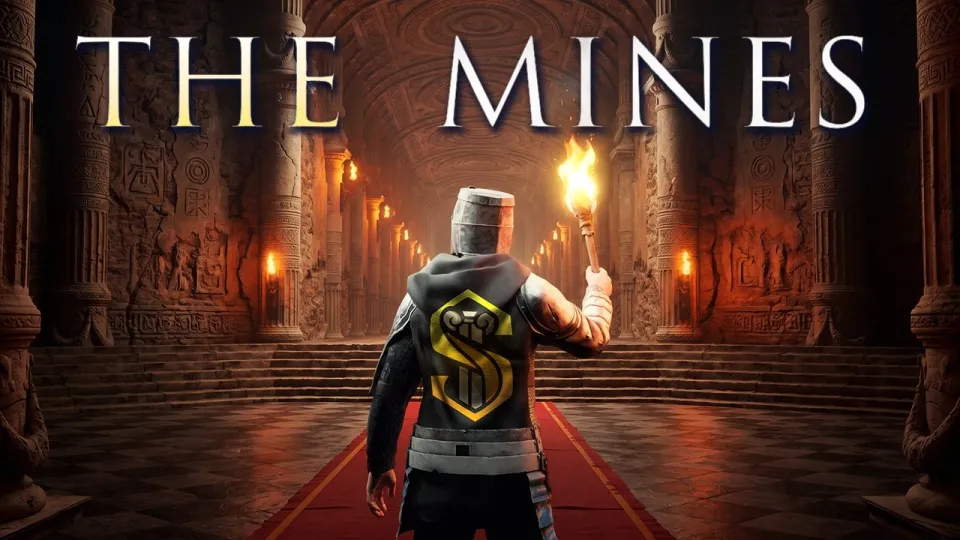
Video: I Survived in an ANCIENT FORTIFIED god rock base in Rust..
Need articles like this for your video? They help promote it on YouTube and Google — order them in the Telegram bot @sat_sit_bot. It writes articles around your video, embeds the video and publishes them on popular niche websites (no ads). Free trial — 50 articles.
· based on the channel Solutize
Key takeaways
- The wipe was played solo on a server with 1,000 players, so every trip outside the base carried real risk.
- The base was built into a god rock — an unraidable rock formation on the map — and reinforced with external structures and honeycomb.
- Solutize recorded the run live on Twitch and edited it into a weekly Rust video for his YouTube channel.
- Viewers repeatedly asked for more solo wipes and for duo collaborations with creators such as Gorliac and Willjum.
- The main lesson: on high-population servers, positioning and timing matter more than raw building cost.
A god rock base in Rust is a base built inside or against one of the map's unbreakable rock formations, which raiders cannot destroy — so the walls, doors and loot rooms packed around it become the only way in. Solutize took that idea to a 1,000-player server as a solo player, fortifying an ancient-looking rock position and stretching a single wipe's worth of resources into a defensible home. You can watch him record these runs live on his Twitch channel, where the full sessions happen before they are cut into weekly videos.
What a god rock base actually is in Rust
A god rock base exploits map geometry: certain rock clusters have gaps and overhangs that cannot be destroyed by rockets, C4 or melee, so players wall them off and build inside. The rock becomes free, permanent armor, and the builder only pays for the shell around it. The trade-offs are real. Space is tight, so every furnace, box and workbench has to be placed with intent, and the entrance is usually a single choke point that raiders will target first. On a server with 1,000 players, the location also has to survive being found early — a god rock near a monument or a road is scouted within hours of wipe.
How the solo build was structured
Solutize's approach on this wipe followed the standard logic of solo god rock construction, adapted to a crowded server:
- Secure the rock pocket first with a cheap starter — a tool cupboard, a sleeping bag and a small box — before committing to anything expensive.
- Layer the shell: stone or sheet metal walls around the rock opening, then honeycomb so raiders must blow through several layers to reach the core.
- Split the loot. A solo player who keeps everything in one room loses the wipe to a single successful raid, so spread boxes and keep the best items behind the deepest door.
- Add external tool cupboards and small decoy structures so the main base is not the obvious target from the air.
- Keep a secondary stash — a small hidden base or a stash spot — for sulfur, explosives and spare kits.
The video's premise is that the position itself was ambitious rather than cheap: an ancient, fortified-looking rock formation turned into a working base rather than a simple box in a hole.
Surviving a 1,000-player server as a solo
Population changes everything in Rust. With 1,000 players, farming routes are contested, monuments are camped, and the noise of a single gunfight pulls in neighbors within a minute. The practical adjustments are timing and route discipline: farm at off-peak hours, use the edges of the map, and never carry more than you can afford to lose on a single trip. Solotize's run leans on the same principle — the base is only half the survival equation, and the other half is not being seen while you stock it.
Solo players also benefit from what the community calls the quiet wipe: letting the first days pass while groups burn through their starter bases, then building up when the server's attention moves to raids elsewhere. A god rock makes that patience cheaper, because the rock itself never needs upgrading.
Raid defense and the god rock's weak points
No god rock is unraidable in practice. Raiders do not need to break the rock — they break the doors, the soft side of a wall, or the roof if the builder left a gap. Three defenses matter most:
- Door stacking: multiple doors in sequence behind the entrance, each one costing the raider explosives.
- Honeycomb depth: at least two layers between the outside and any loot room, so a small raid does not reach the core.
- Traps and turrets: shotgun traps in tight corridors and a turret covering the approach turn a choke point into a real cost.
Because the rock limits how much you can build, god rock bases often fail on depth rather than on materials. A solo builder should decide early which room is the last stand and armor it accordingly.
Questions viewers keep asking about solo Rust wipes
Audience reaction to the video focused less on the base layout and more on the format: viewers asked for more solo wipes, suggested duo runs with other creators, and noted that the weekly upload schedule is what keeps them coming back. The recurring doubt is whether solo play is worth it on high-population servers at all, given how quickly groups snowball. The honest answer from the run is that solo Rust is a different game — slower, more tactical, and far more dependent on map knowledge than on aim.
Links from the video
- Live recordings of these wipes: https://www.twitch.tv/solutized
- Community Discord: https://discord.gg/57vX6Yvga6
- Second Discord link shared in the description: https://discord.gg/F9kEQWZjnd
Conclusion
A god rock base does not make a solo player safe on a 1,000-player server, but it does make the wipe affordable: the rock absorbs the damage that would otherwise cost thousands of stone and metal. Solutize's run shows the formula — secure the pocket, honeycomb the shell, split the loot, and treat every farming trip as a risk calculation. If you want to see the full sessions behind videos like this one, watch him live on Twitch and follow the Solutize channel for the weekly edits.
Questions & answers
Can a god rock base be raided in Rust?
Yes. Raiders cannot destroy the rock, but they can blow through the doors, walls and honeycomb built around it. A god rock base is only as strong as its shell, so depth of honeycomb, stacked doors and turrets decide how expensive the raid becomes.
Is solo play viable on a 1,000-player Rust server?
It is viable but slower. Solo players survive by farming at quiet hours, avoiding contested monuments and keeping loot split across several rooms and a secondary stash. Groups will out-farm you, so positioning and timing matter more than raw resources.
What should a solo player build first on a god rock?
Start with a tool cupboard, a sleeping bag and a small box to claim the spot, then upgrade the shell to stone or sheet metal and add honeycomb. Only after the core is sealed should you invest in workbenches and larger furnaces.
Where can I watch the full sessions behind these Rust videos?
Solutize streams the wipes live on Twitch at twitch.tv/solutized, and the edited versions go up on his YouTube channel. The Discord servers linked in the video description are where the community organizes and shares runs.
Source: I Survived in an ANCIENT FORTIFIED god rock base in Rust.. · Markdown version